Custom spa tub OEMs face unprecedented material cost volatility. Acrylic sheet prices surged 38% year-over-year in 2023, while stainless steel alloys remain subject to quarterly surcharges exceeding 15%. Fiberglass reinforcement lead times have stretched from 6 to 18 weeks since 2021—creating production bottlenecks that disproportionately impact low-volume manufacturers lacking bulk purchasing power. These delays cascade through assembly lines, often triggering costly workarounds like air freight for time-sensitive components.
Trade policy shifts and regional conflicts pose acute risks for specialized parts sourcing. Over 65% of high-performance jet pumps originate from East Asian manufacturing hubs, where export controls can delay shipments by 45–90 days during political tensions. Control system microchips face similar constraints, with single-source dependencies amplifying vulnerability. OEMs report 23% longer fulfillment cycles for custom orders requiring these components—and supplier diversification remains hindered by certification requirements and minimum order quantities that strain working capital.
Navigating regulatory compliance presents significant hurdles for custom spa tub OEMs operating internationally, with divergent standards creating costly operational friction. Unlike standardized production, custom designs face amplified scrutiny under region-specific frameworks—from North America’s ANSI/ASME A112.19.7 and UL 1776 safety protocols to Europe’s CE marking requirements. These disparities demand meticulous documentation and material adjustments, particularly for acrylic formulations and electrical control systems. Seventy-five percent of manufacturers cite regulatory divergence as a major barrier to market expansion (Thomson Reuters 2022).
Custom spa tub OEMs must reconcile conflicting regional mandates—such as EU REACH restrictions on chemical additives versus U.S. plumbing code allowances for specific acrylic blends. Acrylic thickness tolerances, jet pump safety certifications, and slip-resistance testing vary substantially across jurisdictions. Non-compliance risks market access revocation; redesigns for regional approvals can delay launches by 8–12 weeks.
Low-volume production intensifies compliance costs disproportionately. Where mass-produced tubs amortize testing fees across thousands of units, custom OEMs absorb full certification expenses for batches under 50 units. Recent data indicates testing costs per custom spa tub reach $740–$950 (Ponemon 2023)—3–5× higher than standardized equivalents. This inefficiency erodes margins, especially when minor aesthetic changes trigger full re-testing cycles.
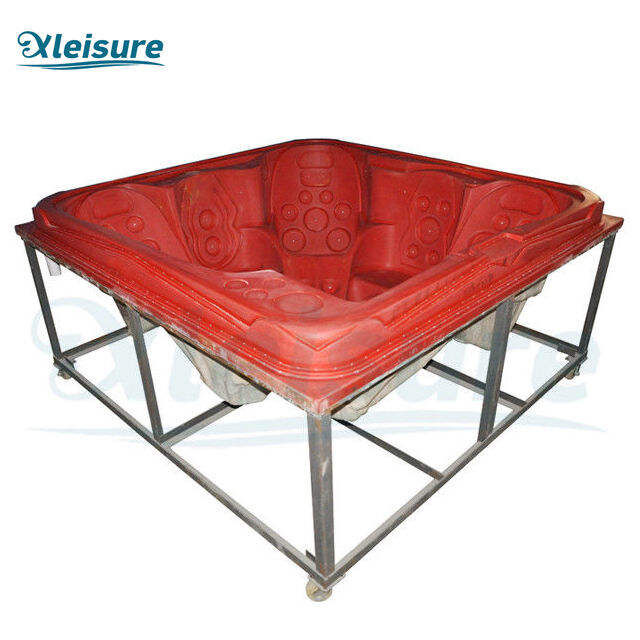
A critical friction point arises when ergonomic CAD designs clash with manufacturing realities. Designers prioritize user comfort through complex contours and integrated features, yet these often prove incompatible with standard molding processes. Steep undercuts or ultra-thin walls—ideal for hydrotherapy positioning—can cause resin flow issues or structural weaknesses during fiberglass layup or acrylic vacuum forming. This disconnect forces costly redesign cycles: prototyping delays due to mold rework, material waste from non-viable geometries, and compromised aesthetics to meet production thresholds.
Bridging this gap demands early collaboration between design and manufacturing teams. Integrating moldability simulations during the CAD phase identifies high-risk features before tooling begins. Adjusting draft angles by 2–3 degrees or consolidating multipart assemblies into single molds often resolves conflicts without sacrificing ergonomics. For low-volume projects, hybrid approaches—like 3D-printed molds for complex sections paired with standard tooling—balance design intent with feasibility. Proactive alignment prevents 30%+ cost overruns and accelerates time-to-market for bespoke installations.
Custom spa tub OEMs face severe margin compression on low-volume orders due to disproportionate fixed cost allocation. Producing under 50 units spreads expenses like mold fabrication, specialized tool calibration, and compliance testing across minimal output—dramatically increasing per-unit costs. Industry benchmarks show these orders yield 15–20% lower gross margins than standard production runs, forcing manufacturers into unsustainable trade-offs. Absorbing losses strains profitability, while passing costs to customers threatens contract viability. With material and labor inflation intensifying these pressures, OEMs without tailored pricing strategies for small batches risk progressive margin erosion. Implementing activity-based costing models helps accurately quantify true production expenses for custom configurations and protects long-term viability.
Q: What are the main challenges custom spa tub OEMs face in material sourcing?
A: Custom spa tub OEMs face rising costs for materials like acrylic and stainless steel, extended lead times for fiberglass, and heightened supply chain instability due to geopolitical risks and single-source dependencies.
Q: How do regulatory requirements differ for custom spa tubs?
A: OEMs must navigate diverse regional mandates like ANSI/ASME A112.19.7, UL 1776, and CE marking standards, which often lead to costly redesigns and extended market entry timelines for compliance.
Q: Why do low-volume custom designs increase testing costs?
A: Low-volume production intensifies compliance testing costs as they cannot be amortized across larger production runs, leading to disproportionately high per-unit expenses for testing and certification.
Q: What causes design-to-manufacturing misalignment in custom spa tubs?
A: Misalignments occur when ergonomic CAD designs include features incompatible with standard molding processes, leading to costly redesigns and delays if not addressed early in the design process.
Q: How does order volume impact pricing strategies for custom spa tubs?
A: Producing fewer than 50 units leads to higher per-unit costs due to fixed expense distribution, requiring tailored pricing strategies to maintain sustainable margins.
 Hot News
2025-12-08
2025-12-07
2025-12-06
GUANGZHOU HONGXUANKAI provides professional import & export services for manufacturing and trading companies. Our customs clearance expertise and cross-border logistics ensure fast, compliant, cost-effective trade. Trusted by 100+ clients across Asia. Get a free consultation today.
WANGTING ROAD, HUADU DISTRICT, GUANGZHOU, CHINA
Copyright © GUANGZHOU HONGXUANKAI IMPORT & EXPORT CO., LIMITED | Privacy policy
 EN
EN