Keeping a spa hot tub temperature somewhere around 98 to 100 degrees Fahrenheit strikes just about the right mix between being comfortable and saving on electricity bills. According to various industry reports, going even one degree higher than this sweet spot can bump up heating expenses by roughly 10% to maybe 15%. Why? Because the water loses heat faster and the system has to work harder to maintain that extra warmth. Most modern spas actually perform best when kept within this temperature range. If it gets too cool under 98 degrees, heaters take longer to get things back up to speed and parts wear out quicker. But push past 100 degrees and people start feeling uncomfortable anyway, plus they end up paying way more for what's basically not worth it in terms of actual enjoyment.
Smart controllers integrate these features through intuitive interfaces, and field data shows they collectively reduce energy use by 20–30% compared to manual operation. When combined, they create a responsive system that stays ready for use without wasting power during idle periods.
Implementation tip: Program filtration to run 2–3 times daily for 15–30 minutes during the warmest daylight hours—when ambient temperatures support optimal heat retention.
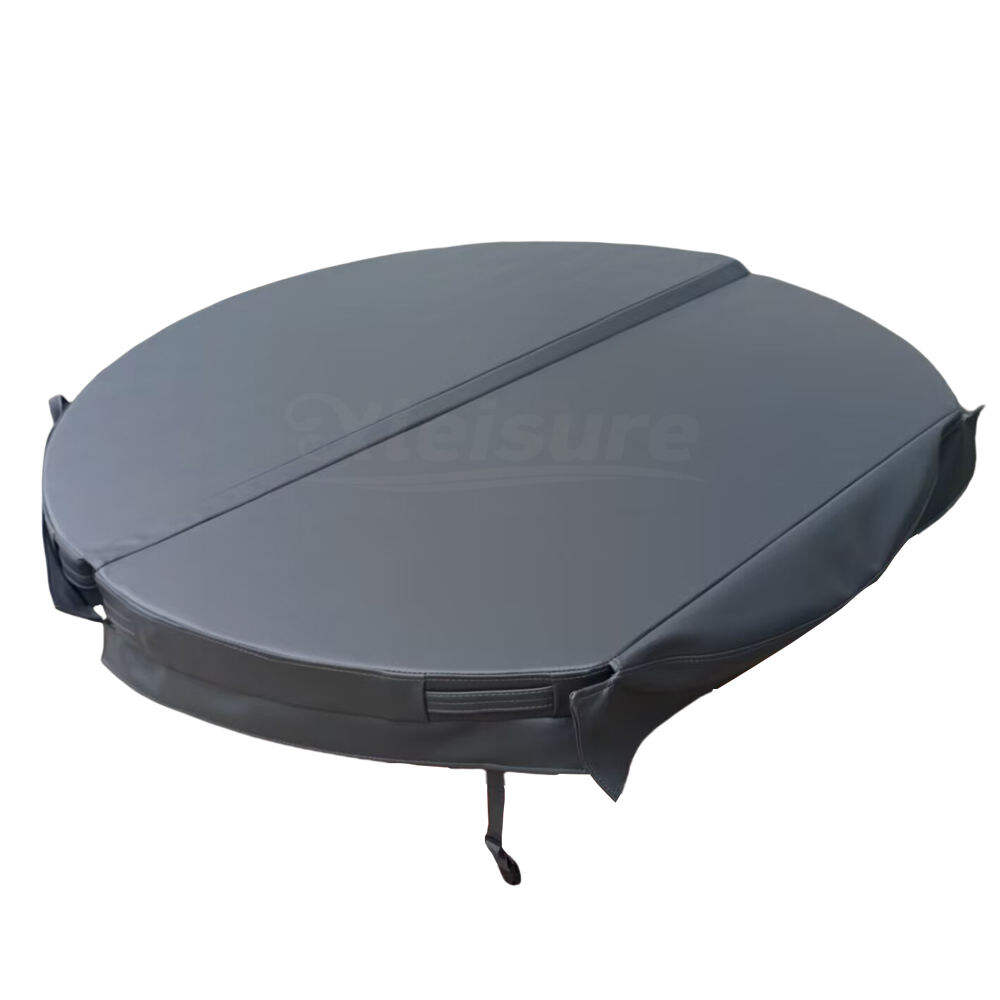
A high-R-value cover is the single most effective thermal barrier for an energy efficient spa hot tub. Models rated R-16 or higher reduce heat loss by over 70% versus standard covers, per thermal efficiency testing. To maximize performance:
Paired with weekly skirt inspections, these practices maintain stable temperatures and cut reheating cycles by 60–80%.
In sub-zero regions like Minnesota, full-foam spray insulation is essential. This seamless polyurethane layer fills all cabinet cavities, reducing heat loss threefold compared to partial insulation. Critical cold-climate upgrades include:
Field data confirms these modifications lower winter heating costs by 45% while sustaining 100–102°F water stability even at -20°F ambient temperatures.
Getting the most out of pump operation really matters for keeping spa hot tubs running efficiently while saving energy. Leaving pumps running all the time just burns through electricity without doing anything good for water quality. According to tests done by the US Department of Energy back in 2025, people who switched their systems to run only when needed saw about a 40% drop in energy consumption. These days, smart controls let owners match pump operation exactly what the filter actually requires. And if someone can schedule these operations during cheaper electricity hours, the money saved gets even better. Investing in variable speed pumps makes sense too. Activating jets only where they're actually needed instead of turning everything on at once keeps things efficient but still delivers those great hydrotherapy effects everyone wants from their spa sessions.
The Time-of-Use (TOU) rate system can actually save quite a bit of money. When people heat their homes during those off peak times, they might see their electric bills drop anywhere from 20 to 40 percent. The smart grid technology works pretty well too. It lets heating systems adjust themselves automatically based on what the power company charges at different times. Most of these systems will shift their work to when demand is lower, usually late at night or early morning. Cutting down on expenses isn't the only benefit either. Less demand during peak times means less stress on the entire electrical grid. To get the most out of this setup, it makes sense to pair smart grid features with good old fashioned programmable thermostats. That way nobody gets caught paying top dollar for heating right when rates jump up.
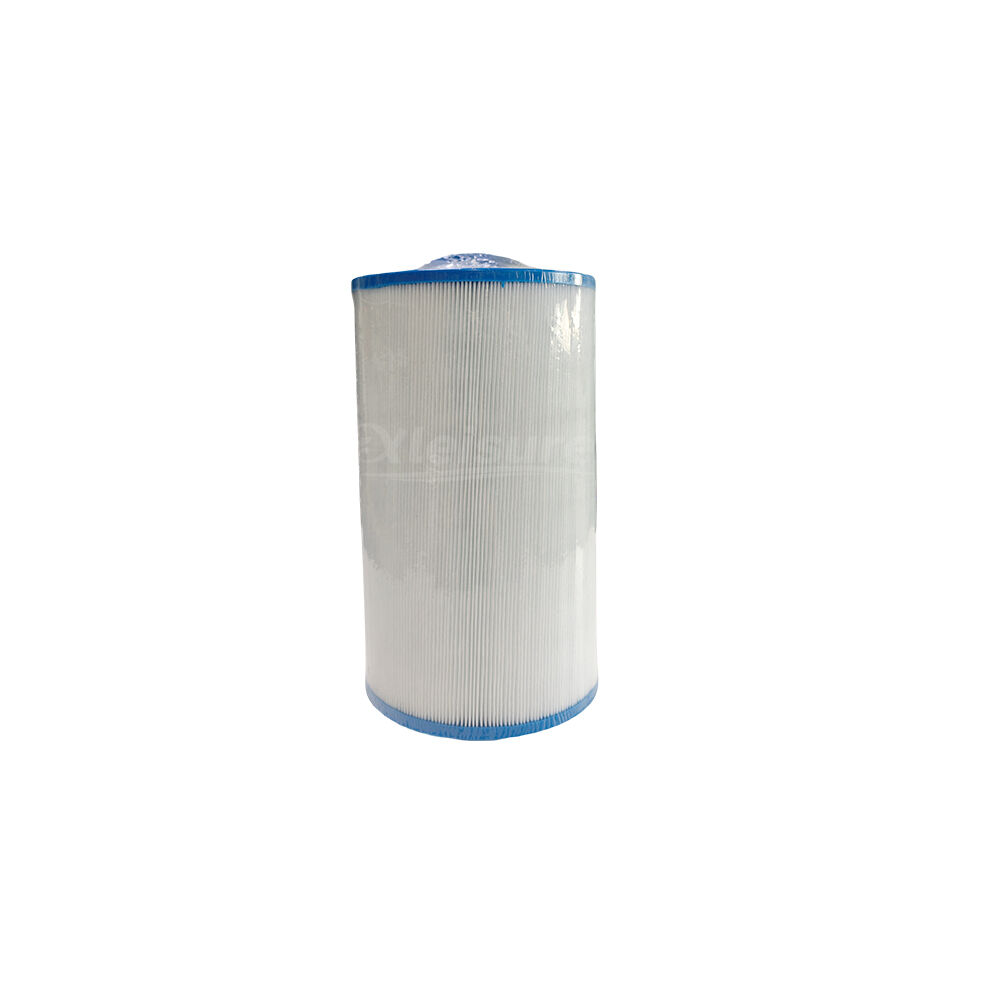
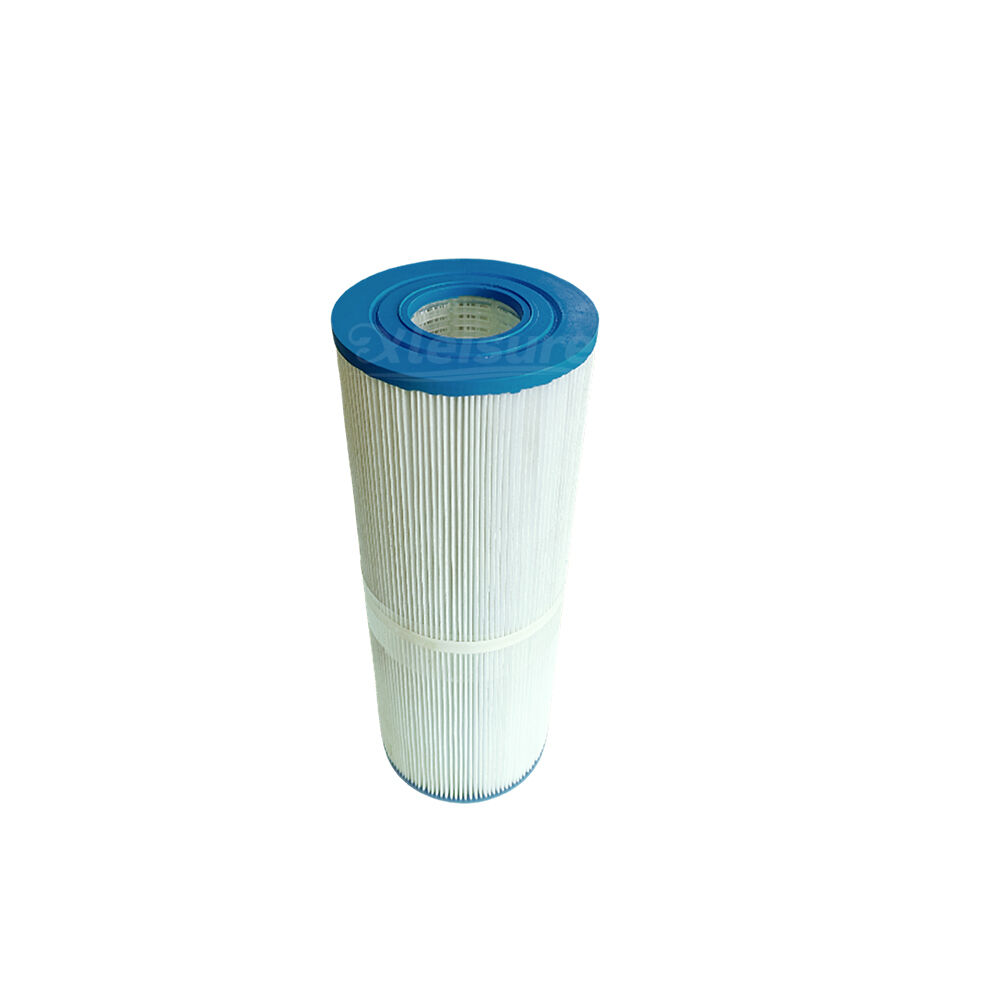
Saltwater systems create their own chlorine naturally, which actually cuts down on energy needed for chemicals by somewhere around 15 to 25 percent when compared to old school dosing techniques. When there's less chemical load floating around, the water stays clearer and the filtration process works better because it doesn't have to run as long. Plus, keeping those filters clean stops the pumps from working harder than they need to, something that wastes tons of energy over time. Cleaning filters every other month combined with variable speed pumps allows for just four hours of daily filtration that keeps things looking good without guzzling power like continuous operation does. All these little changes together help maintain good heat efficiency, make equipment last longer, and ultimately save money on energy bills in the long run.
The recommended temperature range for spa hot tubs is between 98 to 100 degrees Fahrenheit to maintain comfort and energy efficiency.
You can reduce energy consumption by leveraging features like Eco-Mode, using digital timers, adaptive scheduling, and investing in high-R-value covers and full-foam insulation.
Saltwater systems naturally produce chlorine, reducing the energy needed for chemicals by 15 to 25 percent and improving filtration efficiency.
Scheduling pump operations can decrease energy consumption by 40% by running only when necessary, and optimizing during cheaper electricity hours enhances savings.
 Hot News
2025-12-08
2025-12-07
2025-12-06

GUANGZHOU HONGXUANKAI provides professional import & export services for manufacturing and trading companies. Our customs clearance expertise and cross-border logistics ensure fast, compliant, cost-effective trade. Trusted by 100+ clients across Asia. Get a free consultation today.
WANGTING ROAD, HUADU DISTRICT, GUANGZHOU, CHINA
Copyright © GUANGZHOU HONGXUANKAI IMPORT & EXPORT CO., LIMITED | Privacy policy
 EN
EN