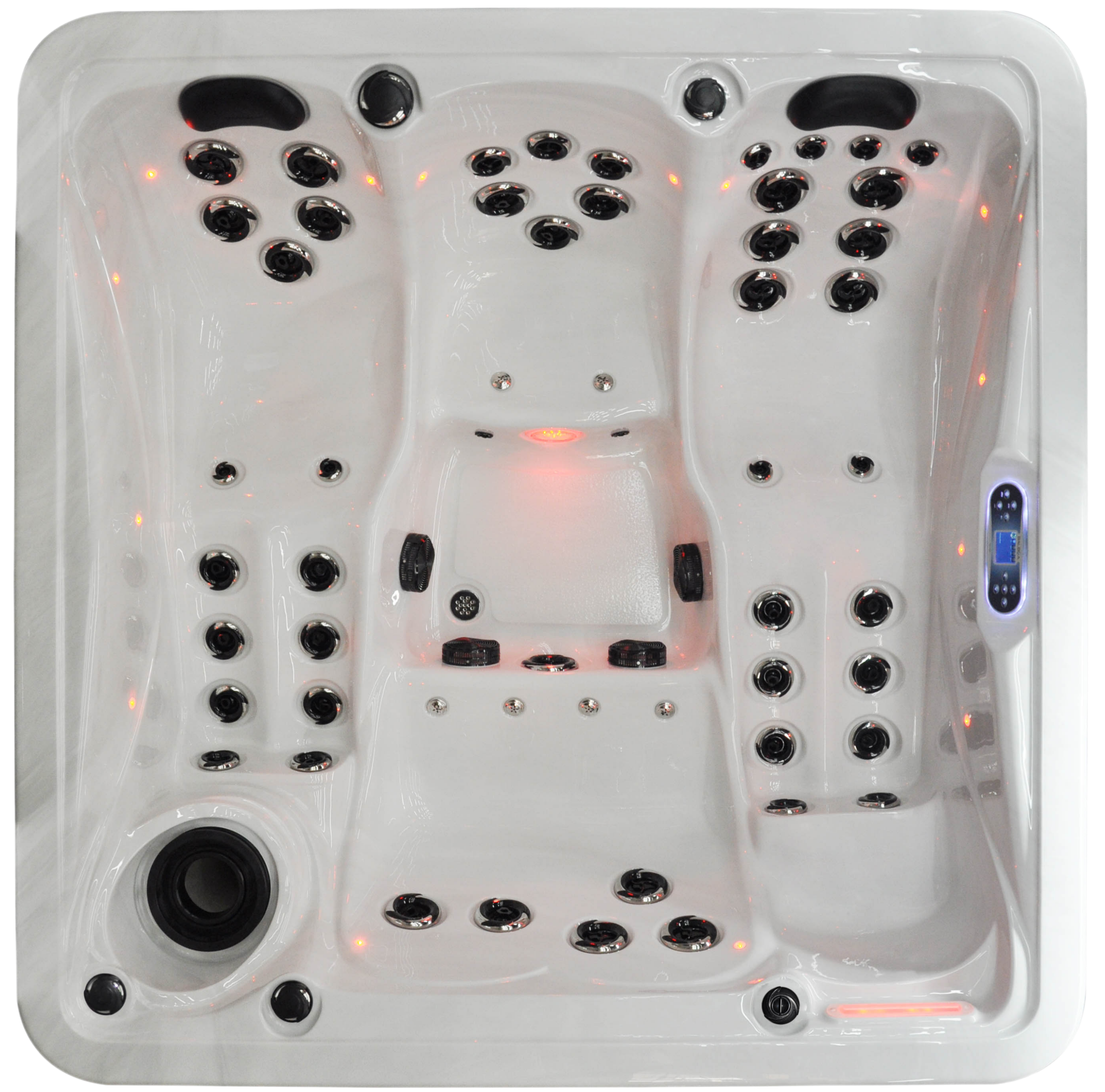
Today's efficient whirlpool spas come equipped with variable speed pumps that adjust motor power between 20% and 100% depending on how much pressure the jets actually need at any given moment. Traditional single speed models constantly pull around 1.5 to 2.5 kW of power regardless of usage, while these newer systems can drop down to just 0.2 kW when someone is simply soaking without using all the jets. The smart heating systems built into them only kick in during those cheaper off-peak electricity times and follow set schedules programmed by the owner. According to various field tests, this setup cuts down on pump electricity bills by about two thirds and saves half the energy used for heating compared to older models. Overall, homeowners typically see their total energy consumption drop somewhere between 40% and 60% when switching from conventional spa systems.
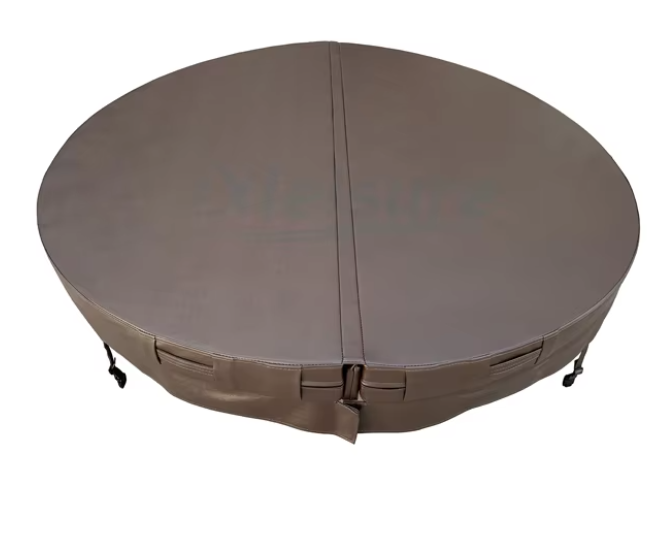
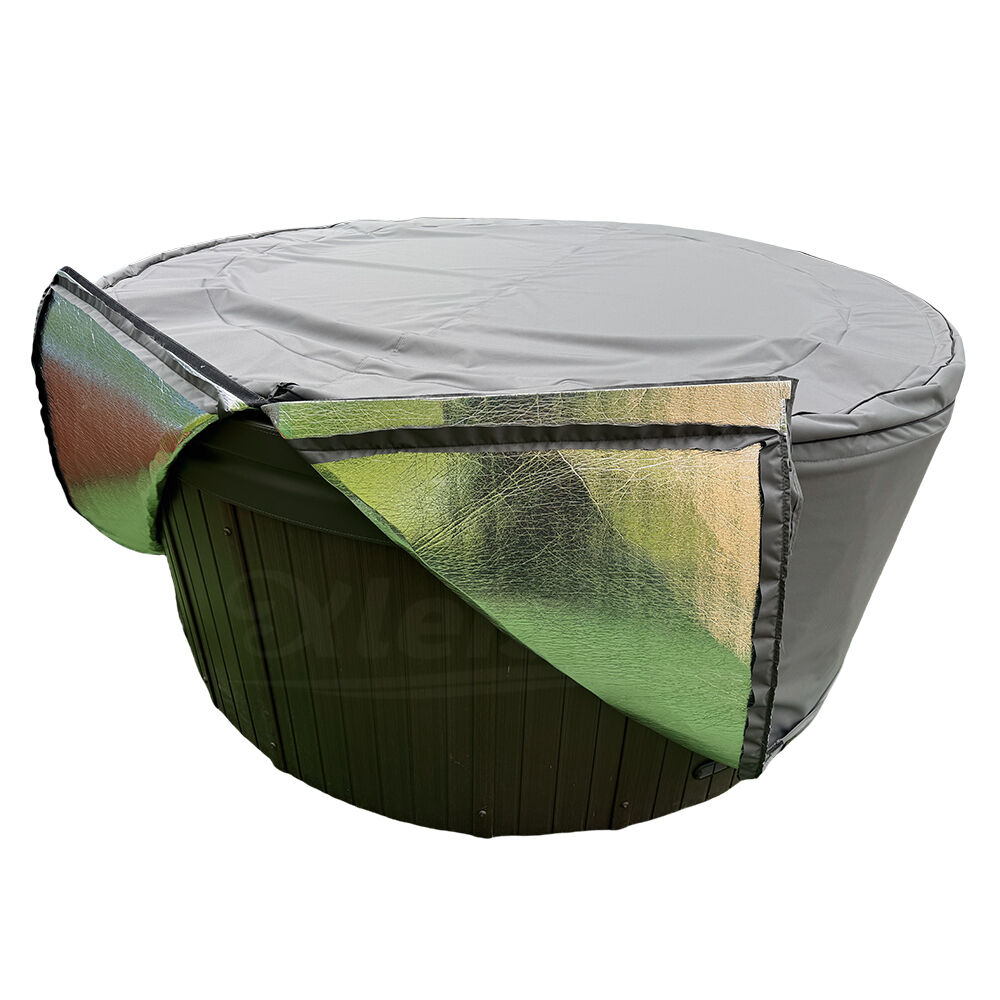
Spa owners know that thermal covers with an R-18 rating or higher are basically the first line of defense against heat escaping when the spa isn't being used. These covers stop both evaporation and convection losses that happen all day long while the water sits there. According to lab tests, they actually cut down on surface heat transfer by about three times what regular vinyl covers manage. Combine one of these thermal covers with a cabinet system that has those tight fitting panels and really good seals around the edges, and suddenly there's almost no air getting in from outside. Most people don't realize that this kind of air leakage accounts for roughly two thirds of all wasted energy when the spa is just sitting idle. The result? Heaters run significantly less often throughout the year. Homeowners typically save around $210 each year simply by avoiding unnecessary power consumption this way.
The Energy Star label means a whirlpool spa passes certain efficiency tests in labs, but actual energy consumption can differ quite a bit in practice. Real world usage tends to vary between 15% to 30% because factors like how well it's installed, outside temperatures, and what people actually do with their spas all matter. Standard testing doesn't consider things such as poor insulation around the base or when users keep taking off the cover. Want better information? Look beyond just the Energy Star rating and check out independent reports too. A recent study from the Spa Efficiency Consortium showed that many Energy Star certified models actually used about 22% more electricity than claimed when winter temps drop below 50 degrees Fahrenheit. When shopping, focus on spas with real world performance data available, not only those passing lab tests.
Oversizing components is a leading cause of avoidable energy waste. A 4-person spa with 60 jets and a 6kW heater may seem premium, but it typically consumes 40% more electricity than a properly sized alternative. Use these evidence-based guidelines to align capacity with actual need:
| Component | Over-Engineered | Optimized | Annual Savings |
|---|---|---|---|
| Heater Output | 1.5 kW per 100 gallons | 1 kW per 100 gallons | $180 |
| Jet Count | 15+ jets per seat | 8–12 jets per seat | $120 |
| Pump Horsepower | 2.5+ HP | 1.5–2 HP | $270 |
Source: 2024 Hydrothermal Council Efficiency Benchmarking Study
This balanced approach avoids paying for unused capacity while preserving therapeutic performance. Always verify flow rates (GPM) against jet specifications—high-efficiency pumps delivering 50 GPM at 1.5 HP outperform traditional 2.5 HP units moving 55 GPM, reducing annual costs by $190 (EnergySpa Digest 2023).
Looking at field data collected from twelve high performing energy efficient whirlpool spas shows they typically consume between four to eight kilowatt hours per day when located in moderate climate areas according to the Spa Efficiency Report published in 2023. Spas equipped with complete foam insulation along with variable speed pumps tend to sit on the lower end of this range around four to five kWh per day. Meanwhile those with only partial insulation generally use about thirty to forty percent more electricity than their better insulated counterparts. Over the course of an entire year this adds up to somewhere between one thousand four hundred sixty and two thousand nine hundred twenty kilowatt hours. When thinking about spa ownership costs over time, these numbers really matter for anyone planning to keep their spa running for several years without breaking the bank.
The operational cost gap between high-efficiency and standard whirlpool spas is substantial. Based on the national average electricity rate of $0.15/kWh:
This $570 annual difference stems directly from three integrated design choices:
Homeowners who prioritize these features typically recoup the higher initial investment within 3–5 years through energy savings.
Energy savings are mainly achieved through the use of variable-speed pumps, smart heater controls, high-R-value thermal covers, and sealed cabinet designs that prevent air leaks.
By utilizing high-efficiency designs and components, homeowners typically save around $570 per year compared to standard models.
While Energy Star certification indicates a level of efficiency based on lab tests, real-world performance can vary. It is advisable to also look at independent reports and studies for accurate assessments.
Matching spa size and jet count optimizes energy use. Oversizing leads to unnecessary energy waste, which could be avoided by selecting a spa that meets actual usage needs.
 Hot News
2025-12-08
2025-12-07
2025-12-06

GUANGZHOU HONGXUANKAI provides professional import & export services for manufacturing and trading companies. Our customs clearance expertise and cross-border logistics ensure fast, compliant, cost-effective trade. Trusted by 100+ clients across Asia. Get a free consultation today.
WANGTING ROAD, HUADU DISTRICT, GUANGZHOU, CHINA
Copyright © GUANGZHOU HONGXUANKAI IMPORT & EXPORT CO., LIMITED | Privacy policy
 EN
EN