Pool builders across Europe have to balance how well different pool types perform structurally against all those EU environmental rules and construction standards they need to follow. Take concrete pools for instance they give complete freedom in design but take around 8 to 12 weeks to build and create about 30 percent more construction waste compared to other options, which means tougher paperwork requirements under the EU Waste Framework Directive. Fiberglass pools can be installed much faster, usually within 3 to 5 days, but transporting them is a headache because of oversized load restrictions in several EU countries. Vinyl liner systems might save money initially but need replacing roughly every five to seven years something that doesn't really align with the goals of the EU's Circular Economy Action Plan. Natural swimming pools get rid of chemicals through biological filtration processes but generally need three to five times more space than traditional pools, making permits tricky in areas protected by the Habitats Directive, especially near sensitive ecosystems. Each pool type faces its own set of durability issues too. Concrete tends to crack when temperatures fluctuate between freezing and thawing. Vinyl liners can easily get punctured. And natural pools often require detailed ecological impact studies according to the EU Construction Products Regulation, which specifies they must withstand 1.5 times their normal water pressure.
The latest interior finishes are really changing the game when it comes to both performance and meeting regulations that old school materials just can't handle. Take vinylester systems like Pool Armour for instance. These create surfaces that are totally non porous and stand up to harsh chemicals, lasting around three times longer than regular plaster work. This means they tick all the boxes for watertightness standards set out in EN 16713:2016. What makes them special is their flexible polymer base which cuts down on those tiny cracks forming by about 40%. Even when there's expansion from temperature changes or structural shifts, these surfaces stay intact. When looking at CE markings, companies need to prove their products resist bacteria such as Pseudomonas aeruginosa and Legionella pneumophila in actual pool environments. ZyCore composite materials actually contain antimicrobial minerals that comply with REACH regulations. These minerals keep working for over fifteen years without releasing harmful heavy metals, something that directly addresses concerns listed in REACH Annex XVII. Independent testing organizations check things like slip resistance according to DIN 51097 Class C standards and how colors hold up after thousands of hours under intense UV light exposure. All this meets important requirements for getting the EU Ecolabel certification.
The ownership experience really does change depending on where someone lives in Europe, and what materials they pick makes all the difference. Take the Mediterranean for instance. Concrete pools there tend to need way more energy to heat because of their thermal mass properties. Studies show this can push heating costs up around 15 to 20 percent higher than fiberglass options, even though both take roughly similar time to install (about 8 to 12 weeks versus 6 to 8 weeks). Vinyl liner systems actually go in the fastest at just 4 to 6 weeks, but folks living near coastlines have to check them every three months or so since saltwater speeds up UV damage and weakens those seams over time. For people in Central Europe dealing with unpredictable weather patterns, fiberglass pools cut down on chemical treatments needed by about 30%. But up north in Scandinavia, pool owners typically spend an extra 500 to 800 euros each year just keeping things winterized properly. These ongoing expenses definitely affect how much money someone will spend over ten years owning a pool.
| System Type | Northern EU Maintenance | Southern EU Energy Cost | Installation Time |
|---|---|---|---|
| Concrete | High (freeze protection) | Moderate-High | 8–12 weeks |
| Fiberglass | Low–Medium | Low | 6–8 weeks |
| Vinyl-Liner | Medium (UV/salt wear) | Medium–High | 4–6 weeks |
Looking at ISO 52000-1 standards shows there's much more to consider than just what's on the price tag when building swimming pools. Frame pools typically priced around €15k end up costing about 45% more in energy bills over ten years compared to proper in ground systems in moderate weather areas. Why? Because those premium models actually work smarter. They store heat better, have these fancy variable speed pumps that meet EU green rules from 2019, and come with heat recovery systems too. All this adds up to saving roughly €1,200 every year on running costs alone. And let's not forget about the extra money people are willing to pay when selling later. Pools built according to sustainability standards like ISO 14040 or carrying the EU Ecolabel can fetch up to 7% more at resale. Plus, they need far fewer chemicals thanks to better sanitation tech, cutting down chemical expenses by around a quarter to third. Put all these factors together and premium pool options give investors about 18% better returns overall. Thinking long term changes how we view backyard pools completely from simple luxury items to real estate assets worth serious consideration.
Energy efficiency standards set by the EU are becoming standard practice for pool operators across Europe. Take heat pumps certified under regulation 2023/814 as an example. These devices can slash heating costs by around 80% in warmer regions because they pull warmth from the surrounding air instead of generating it. Then there are UV and ozone combo systems that cut down on chlorine usage between 60 to 90 percent. This matters a lot since it reduces harmful chemical runoff, something the Water Framework Directive has been cracking down on since 2000. Saltwater electrolysis paired with mineral treatments also helps pools run smoother. Swimmers experience fewer eye irritations and maintenance becomes less frequent, all while still hitting those EN 16713 cleanliness standards. When we look at everything together, pools using these newer technologies typically consume 40 to 70 percent less energy than traditional setups relying on basic filters and chlorine alone. And this makes sense given where we're heading with climate goals across the continent.
Across Europe, smart automation tech is really pushing forward when it comes to making things more sustainable. Take those robot pool cleaners powered by artificial intelligence for instance. They figure out the shape of pools and get through cleaning tasks about 30 percent quicker than before. This means less water gets used overall, cutting down on how much energy goes into filtering the water by around 15% each year. The clever control systems these days can actually time when pumps run based on cheaper electricity rates at night and even check what the weather will be doing next. So they save power while still keeping the water nice and clean. Some places are now combining solar heating with biological filtration methods too. This creates a system where nutrients get reused instead of wasted, which helps nearby plants grow better and supports the circular economy ideas promoted by the EU Green Deal initiative. With better internet connections everywhere, operators can watch everything from afar using central control panels. These also handle all the paperwork automatically, making it easier to follow local water standards and deal with regulations between different countries.
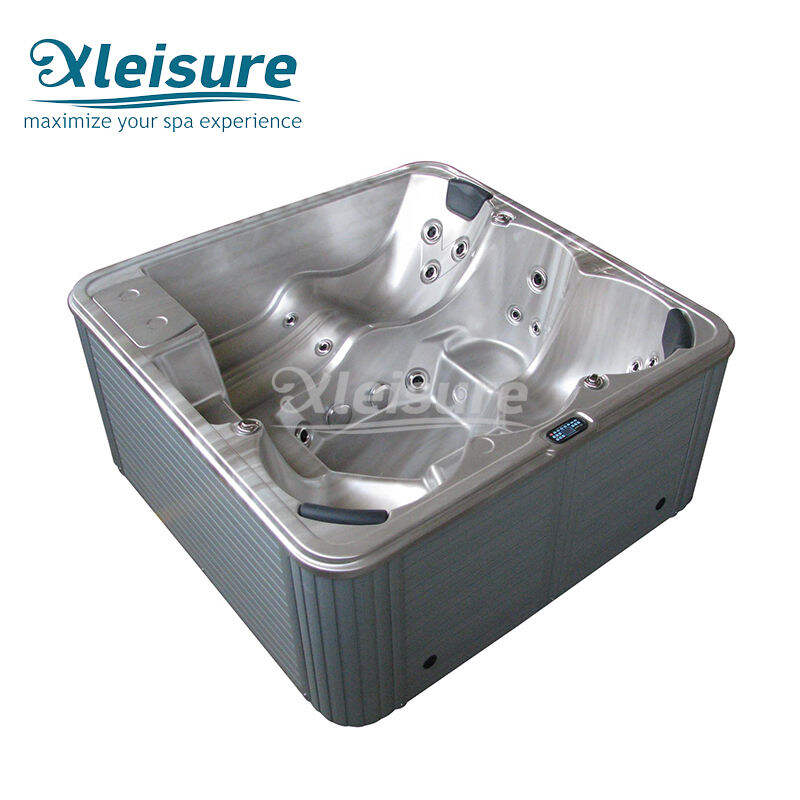
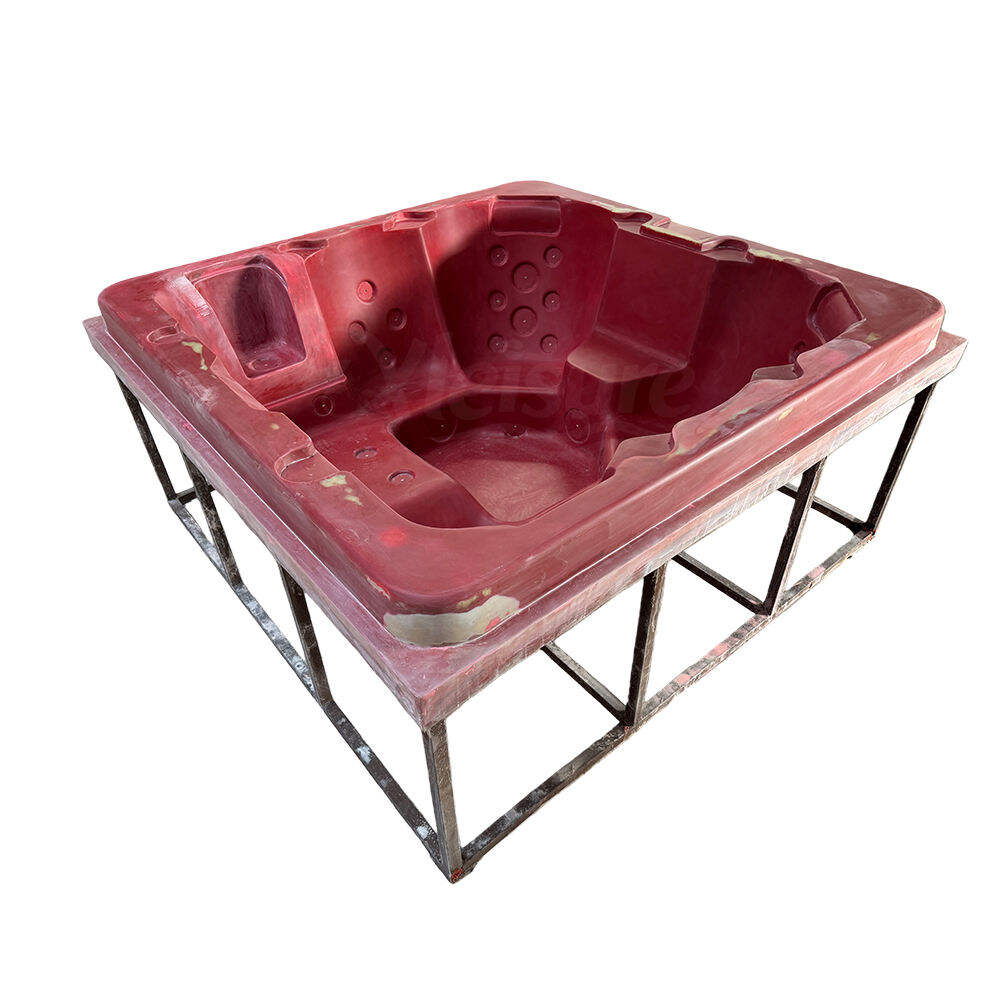
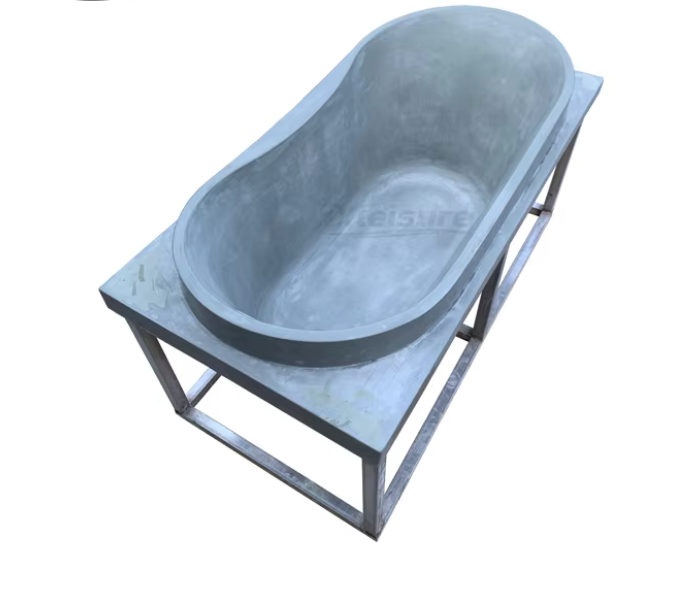
The primary materials include concrete, fiberglass, vinyl-liner, and natural pools. Each has its own construction timeline, cost implications, and regulatory challenges under EU directives.
Vinylester systems provide non-porous surfaces that resist harsh chemicals and last longer than traditional materials, ensuring compliance with EN 16713 watertightness standards and reducing maintenance.
Technologies such as heat pumps, UV/ozone systems, saltwater electrolysis, and mineral sanitation are common, as they enhance energy efficiency and align with EU Ecodesign Regulations.
Automation improves sustainability by optimizing energy use, reducing water consumption, and facilitating remote monitoring and compliance with local regulations.
 Hot News
2025-12-08
2025-12-07
2025-12-06

GUANGZHOU HONGXUANKAI provides professional import & export services for manufacturing and trading companies. Our customs clearance expertise and cross-border logistics ensure fast, compliant, cost-effective trade. Trusted by 100+ clients across Asia. Get a free consultation today.
WANGTING ROAD, HUADU DISTRICT, GUANGZHOU, CHINA
Copyright © GUANGZHOU HONGXUANKAI IMPORT & EXPORT CO., LIMITED | Privacy policy
 EN
EN