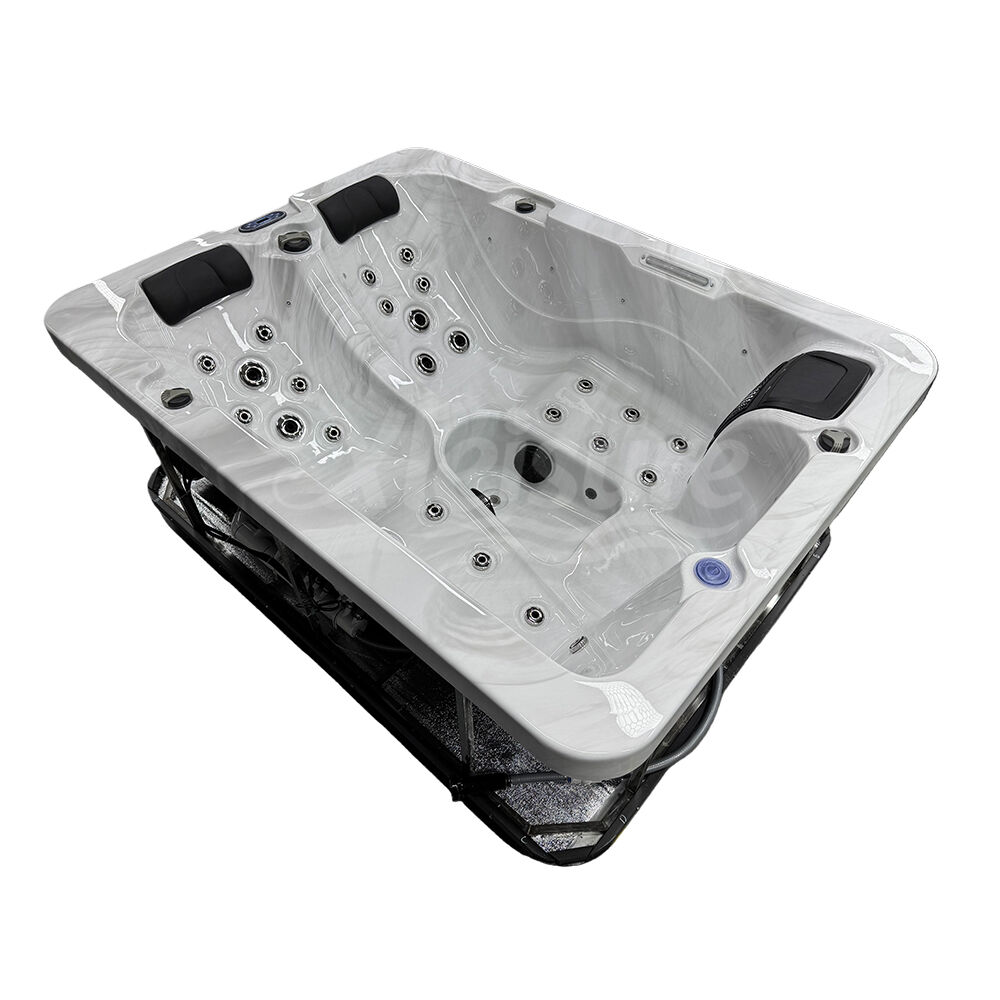
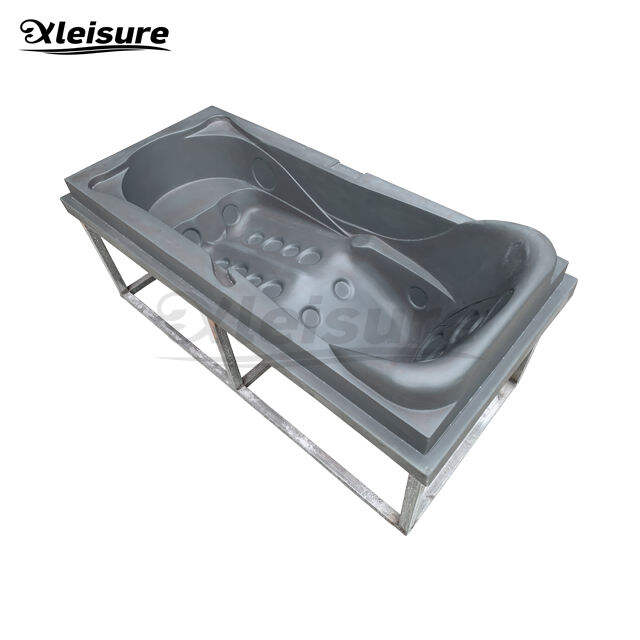
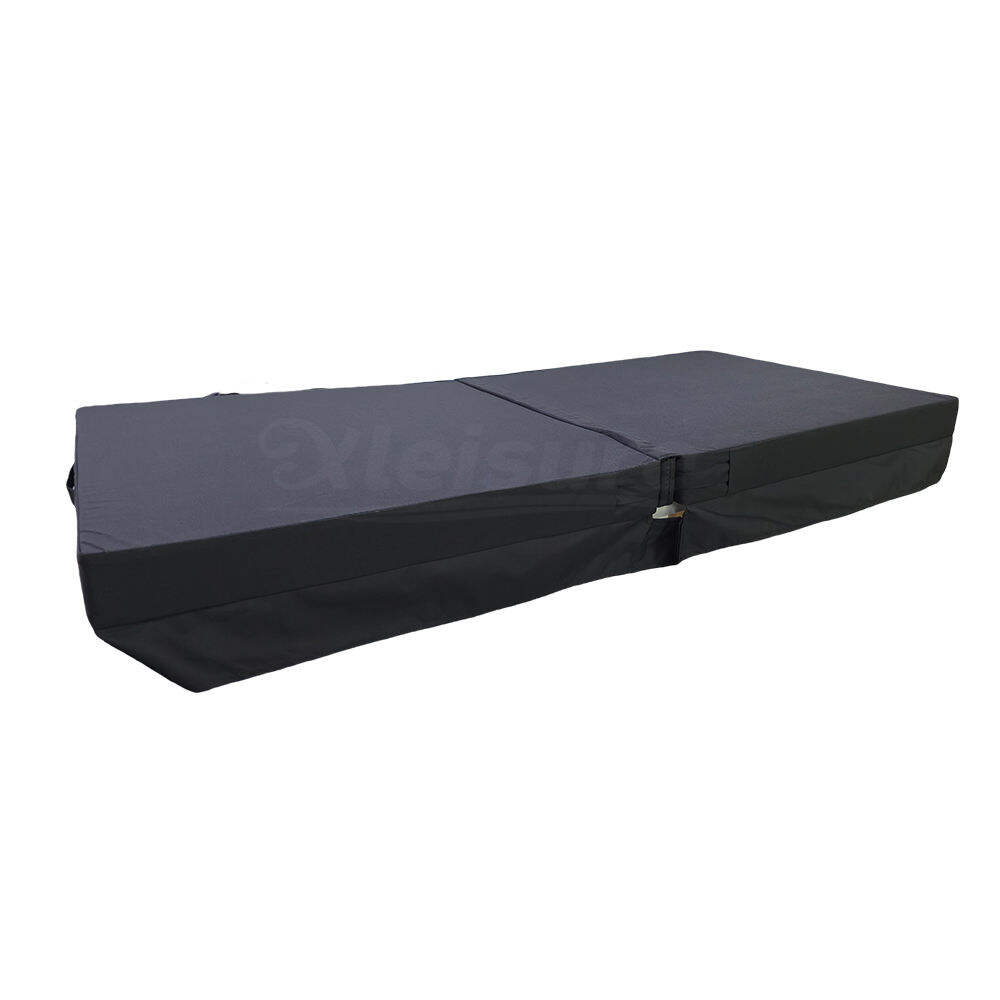
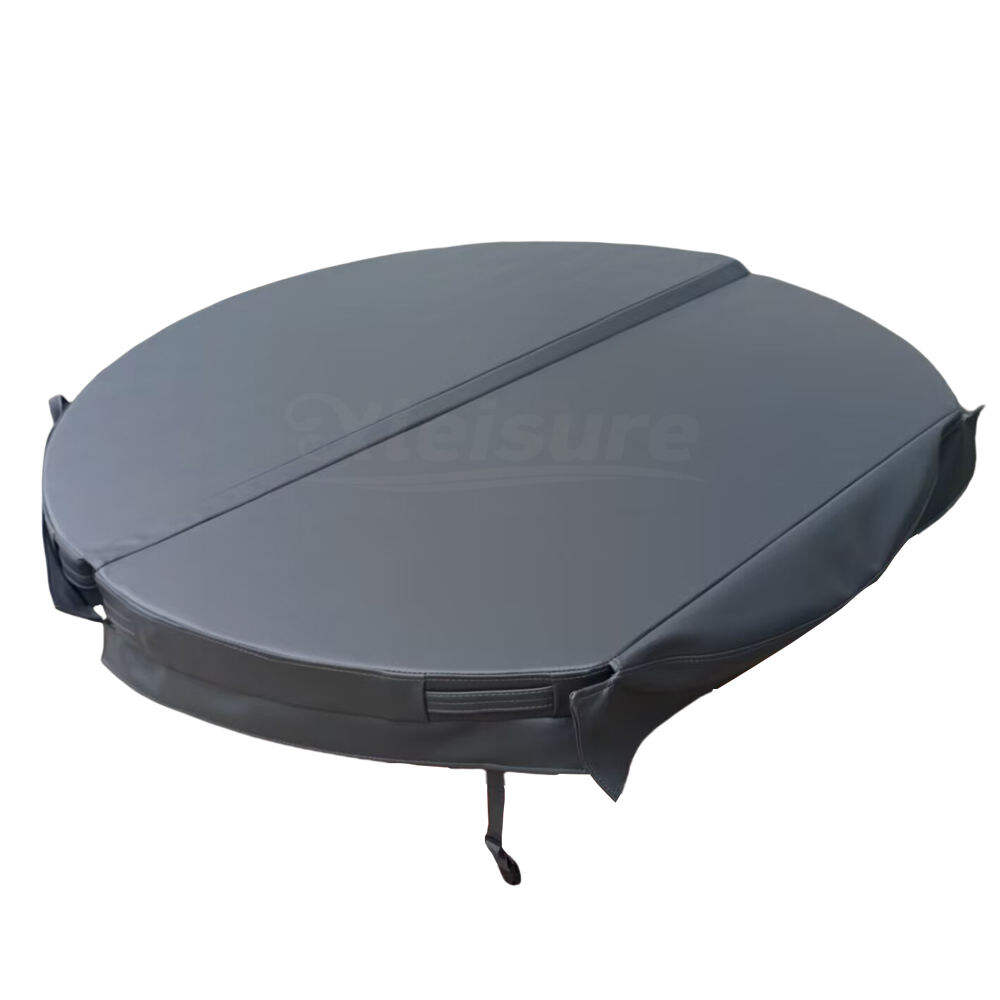
Outdoor swim spas are basically the best of both worlds when it comes to water recreation. They combine the swimming action of regular pools with all those relaxing spa features people love so much. Traditional pools take up tons of room and require major construction work, but swim spas are much smaller units that still deliver great results. These compact systems create strong currents that let swimmers move in place without needing to turn around constantly, plus they have those soothing hydrotherapy jets and warm seating areas too. Most models measure between 12 and 20 feet long, making them practical enough for most backyard spaces. The temperature stays consistent throughout the seasons thanks to good insulation and smart heating controls. Homeowners who want everything in one package find these particularly useful, especially if their property doesn't have room for both a full pool and a separate hot tub installation.
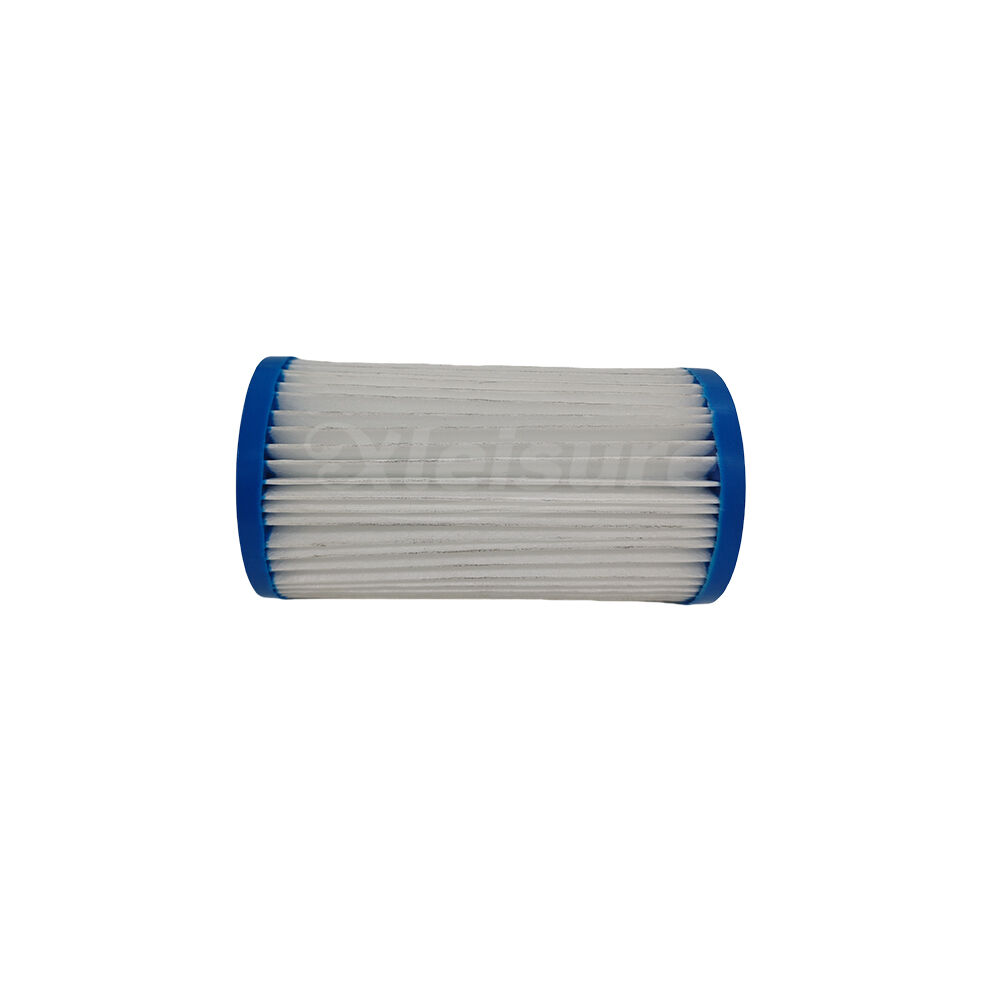
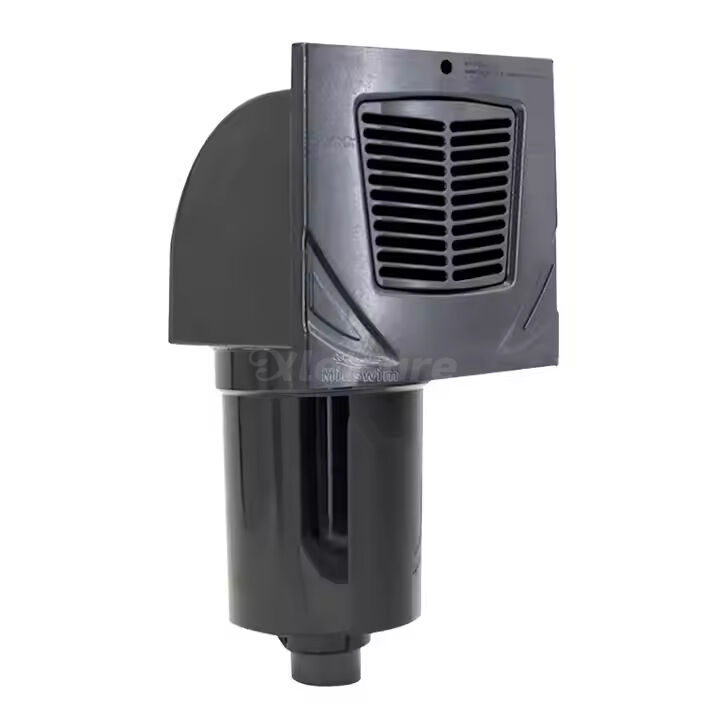
Engineering prioritizes energy efficiency: advanced pump systems consume 30–50% less energy than conventional pools (Aquatic Exercise Association, 2023). Core components include:
By unifying continuous lap swimming with therapeutic relaxation, outdoor swim spa pools deliver comprehensive fitness and wellness benefits in a single, self-contained footprint—reducing installation complexity and enhancing climate adaptability compared to standard pools.
Outdoor swim spas combine lap swimming with relaxing hydrotherapy all in a small space about 12 to 20 feet long. Perfect for patios, backyards, or anywhere else space is limited since regular pools usually need at least 400 square feet of room. The adjustable current lets people get a good workout without needing to swim laps against still water. Plus there are jets positioned just right around the body that target sore muscles after a workout or a long day at work. No need to have one pool for swimming and another for soaking when this single unit does both jobs so well together.
Installation costs for an outdoor swim spa pool range from $15,000 to $30,000—60–70% less than inground pools, which often exceed $50,000 due to excavation, concrete work, and landscaping. Annual maintenance averages $500–$800 (Pool Research, 2023), significantly lower than the $2,000–$4,000 typical for traditional pools. This savings stems from:
Cost Comparison Overview
| Factor | Swim Spa Pool | Traditional Inground Pool |
|---|---|---|
| Installation | $15k–$30k | $50k–$100k+ |
| Annual Maintenance | $500–$800 | $2,000–$4,000 |
| Water Volume | 1,500–3,000 gal | 20,000–30,000 gal |
Start by doing a proper site check first. Look for flat ground that's stable enough to hold the unit once it's full of water. A good foundation would be something like a 4 inch thick reinforced concrete slab. Before digging into installation, make sure to check what the local building codes require. Get all necessary permits sorted out for both electrical connections and plumbing work. Most areas will want a special 240 volt circuit installed with those safety switches called GFCI protection. When it comes to wiring, always hire qualified electricians who know their stuff. They'll handle everything properly and avoid any code violations down the road. For folks living where winters get chilly, don't forget about frost proof plumbing solutions. Also leave at least three feet of space all around the unit. This extra room makes maintenance easier later on and keeps air flowing properly through the system.
Outdoor equipment needs tough materials if it's going to last through all kinds of weather. Acrylic shells combined with fiberglass reinforcement handle temperature changes really well without developing cracks over time. When looking at cabinet options, marine grade polymers beat regular wood hands down when it comes to staying dry and resisting sun damage. To keep surfaces looking good longer, go for gel coats that block UV rays which stop colors from fading away. Also worth considering are those textured finishes that provide grip even when wet, making them safer for people around pools or spas. Stainless steel nozzles work great but nothing beats titanium heating components for fighting rust. These parts just don't corrode like other metals would after repeated exposure to water, so they tend to perform better year after year.
To fully leverage your outdoor swim spa pool across seasons, integrate climate-adaptive systems and consistent care routines. Proactive thermal management and maintenance prevent weather-related degradation while optimizing energy use and system longevity.
When temperatures drop, good cold weather performance depends on three main things working together. First, variable speed heat pumps help keep things warm efficiently. Second, full foam insulation wraps around both the plumbing lines and outer shell of the system. And third, those multi layer thermal covers with proper locking systems really make a difference. These combined features can cut down on heat loss quite a bit, maybe around half depending on conditions, while also stopping unnecessary energy losses from evaporation. For places where freezing winds are common, adding some low profile windbreaks around the equipment area might be worth thinking about. Before putting in any heaters though, always check what the local electrical regulations say for installations in that area. Make sure whatever gets installed works properly with the existing voltage and amperage specs too.
Preserve performance and extend service life with these evidence-based protocols:
 Hot News
2025-12-08
2025-12-07
2025-12-06

GUANGZHOU HONGXUANKAI provides professional import & export services for manufacturing and trading companies. Our customs clearance expertise and cross-border logistics ensure fast, compliant, cost-effective trade. Trusted by 100+ clients across Asia. Get a free consultation today.
WANGTING ROAD, HUADU DISTRICT, GUANGZHOU, CHINA
Copyright © GUANGZHOU HONGXUANKAI IMPORT & EXPORT CO., LIMITED | Privacy policy
 EN
EN