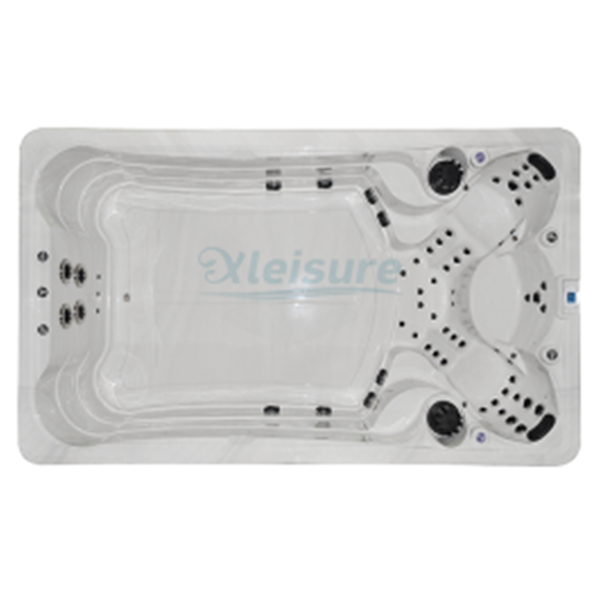
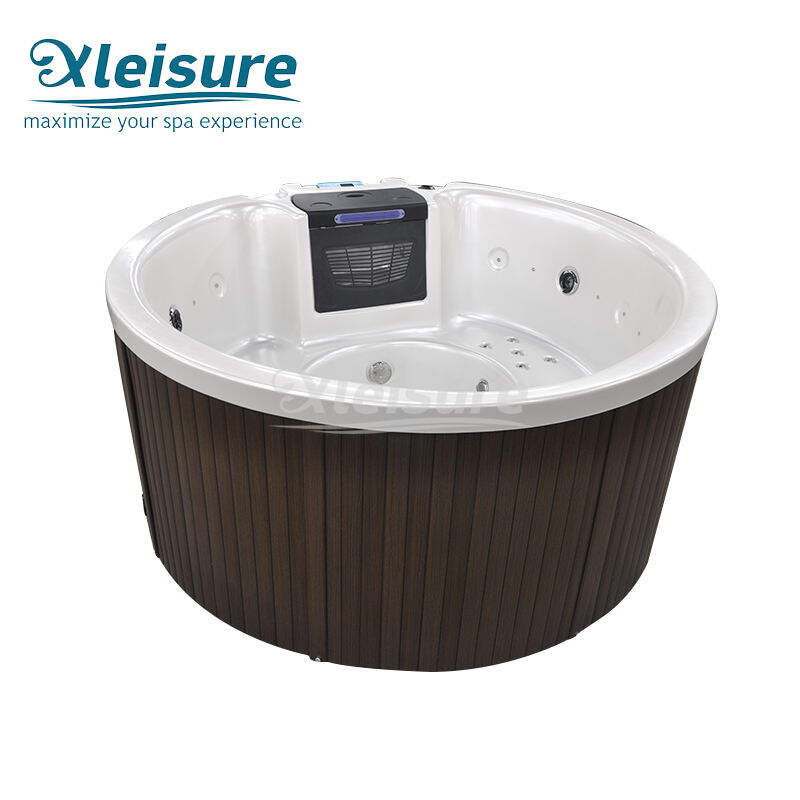
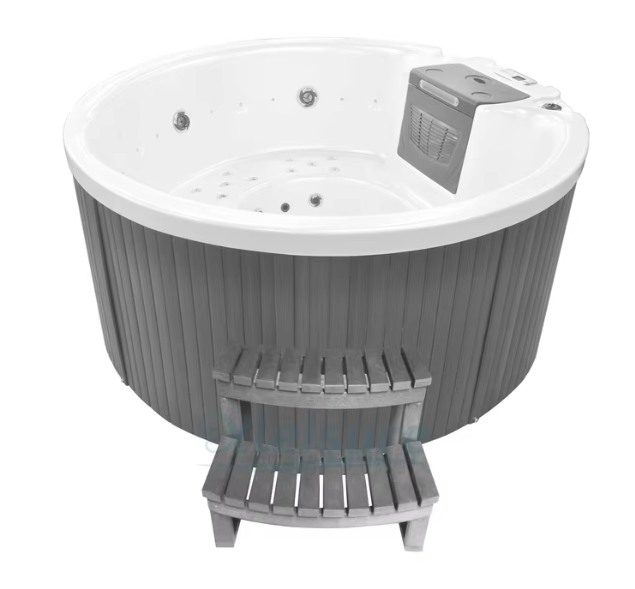
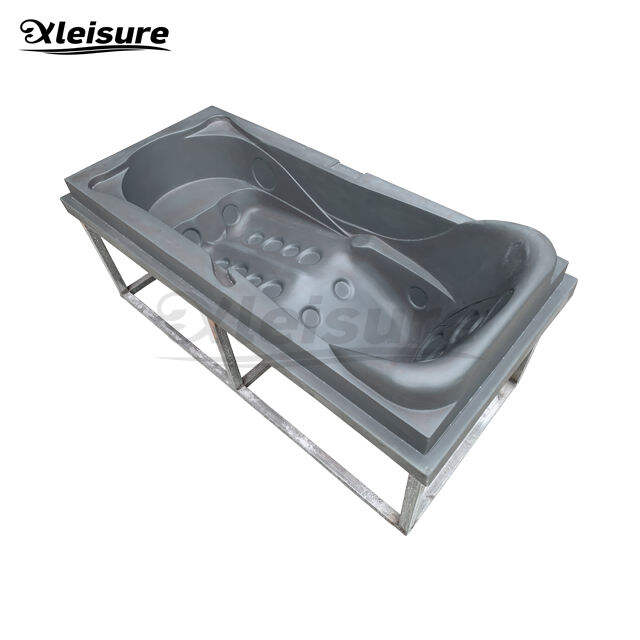
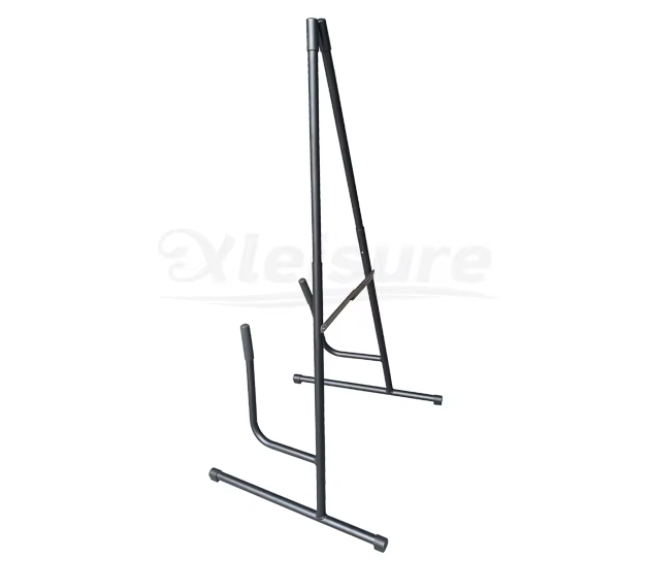
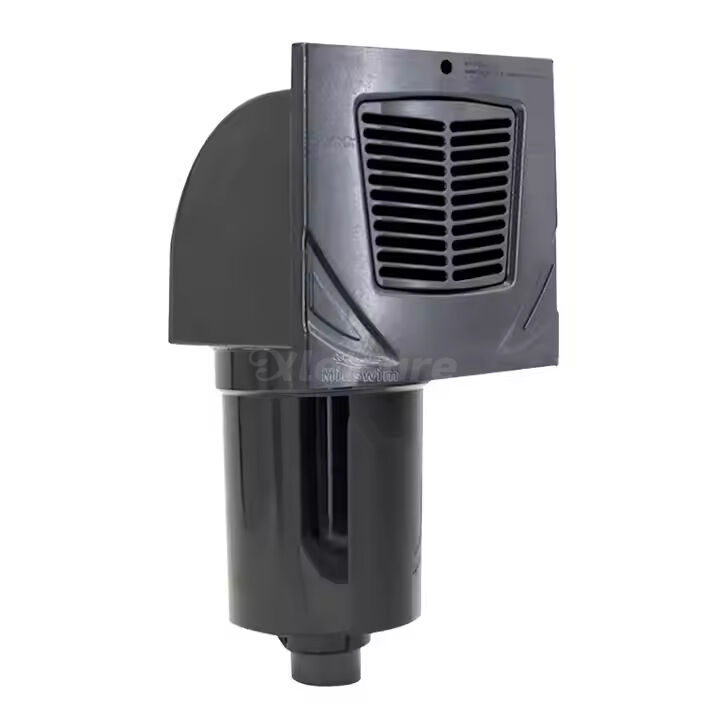
When companies go the OEM route for custom Jacuzzi tubs, they're actually forming partnerships with specialized manufacturers who build hydrotherapy systems bearing their brand name. This approach isn't just some basic outsourcing arrangement though. It requires serious technical cooperation spanning multiple disciplines including material science, how water flows through the system, and all those complex control mechanisms. Think about things like where exactly to place jets, getting pumps calibrated right, and designing shells that fit human bodies comfortably. Wellness brands that take this path gain complete control over their intellectual property, maintain strict quality standards throughout production, and can even integrate unique features into their products. Some examples include medical grade temperature controls needed by rehab clinics or special mineral infused circulation systems that luxury resorts love for their guests. The real benefit here goes way beyond simple cost cutting. These businesses establish themselves as market leaders with distinct offerings, protect their brand reputation, and build long term credibility in industries where trust matters most.
The difference between OEM and options like ODM Original Design Manufacturing or white labeling comes down to who controls the design process. When companies go with ODM, manufacturers actually own most of the product architecture, which makes it hard to make real changes to how things work or look. White labeling is even less flexible since it basically just lets brands slap their logo on something generic that looks exactly like what everyone else sells. But when brands choose Custom Jacuzzi Tub OEM solutions, they get complete control over every aspect of design and functionality. This means companies can tailor everything from materials used to specific features that set their products apart in crowded markets.
The vetting process starts with certain must-have certifications nobody can argue with: ISO 13485 if they're dealing with anything related to medical equipment, IEC 60335-1 for general appliance safety standards, and UL 1741 when there are smart controls involved. These aren't just boxes to check off on paper; they actually indicate whether a manufacturer has real process discipline built into their operations. Intellectual property protection is just as important though. Look for solid legal protections like enforceable NDAs, clear ownership terms for molds and tooling, plus actual audit rights regarding any subcontractors they might use. According to a recent 2023 study on manufacturing compliance, companies partnering with unverified original equipment manufacturers ended up facing about 40% more risk of patent infringement problems, particularly after sharing things like CAD files or detailed firmware specs. Don't forget to ask for those dated third party test reports covering electrical insulation properties, acrylic tensile strength measurements, and water resistance testing at least meeting IPX4 standards before finalizing any partnership.
Real scalability goes beyond just numbers it's really about how quickly things can adapt when needed. The best original equipment manufacturers work with different minimum order quantities depending on what stage companies are at. For instance, they might start with around 50 units for testing purposes then scale up to over 1000 units once ready for wider distribution across the country. These top manufacturers plan their production capacities dynamically rather than relying on fixed factory setups. When it comes to delivery timelines, businesses need clear expectations ideally between 8 to 12 weeks according to industry standards. Good contracts actually include financial consequences if these deadlines aren't met. Some forward thinking suppliers take extra steps too like setting aside special production areas during busy holiday seasons or keeping spare inventory stored strategically near major shipping points. Industry experts point out that these kinds of preparations help reduce shipment problems by roughly one third. What used to be seen as a potential problem area for operations becomes instead something that supports steady business growth when handled properly.
Modularity is where OEM partnerships deliver tangible clinical and commercial advantage. Rather than retrofitting generic tubs, brands co-develop purpose-built configurations:
OEM value extends beyond the tub itself. Leading partners provide end-to-end brand enablement:
For wellness brands looking to boost their bottom line, working with Custom Jacuzzi Tub OEMs can completely change how money flows through their business. Instead of investing heavily in their own factories, companies partner with manufacturers who charge based on what they produce. This approach cuts initial costs by anywhere between 30% to almost half, all while getting access to proven hydrotherapy tech right away without waiting months for research teams to catch up. Getting products ready for sale happens much quicker too – about four to six weeks faster than traditional methods. That speed matters when markets shift suddenly, like during the rebound from pandemic restrictions or when new environmental regulations hit. And there's another angle worth mentioning: modular design approaches are making waves in the industry. Standard parts like those interchangeable jet systems or filter components mean workers spend 22% less time putting tubs together. Plus, these designs use 15% to nearly 20% less water and energy overall, which helps meet those tricky ESG goals while keeping monthly bills down. When everything comes together, businesses typically see an 18% to 25% improvement in gross margins compared to buying generic models from competitors. Better yet, spreading out where parts come from means fewer headaches if one supplier has problems somewhere else in the world.
 Hot News
2025-12-08
2025-12-07
2025-12-06
GUANGZHOU HONGXUANKAI provides professional import & export services for manufacturing and trading companies. Our customs clearance expertise and cross-border logistics ensure fast, compliant, cost-effective trade. Trusted by 100+ clients across Asia. Get a free consultation today.
WANGTING ROAD, HUADU DISTRICT, GUANGZHOU, CHINA
Copyright © GUANGZHOU HONGXUANKAI IMPORT & EXPORT CO., LIMITED | Privacy policy
 EN
EN