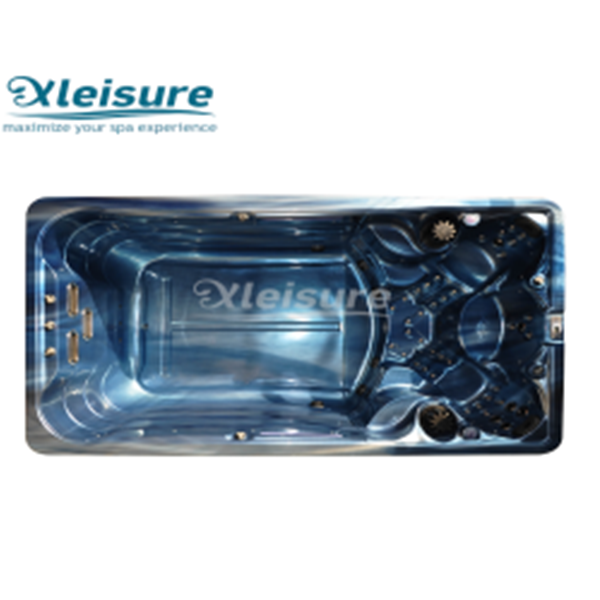
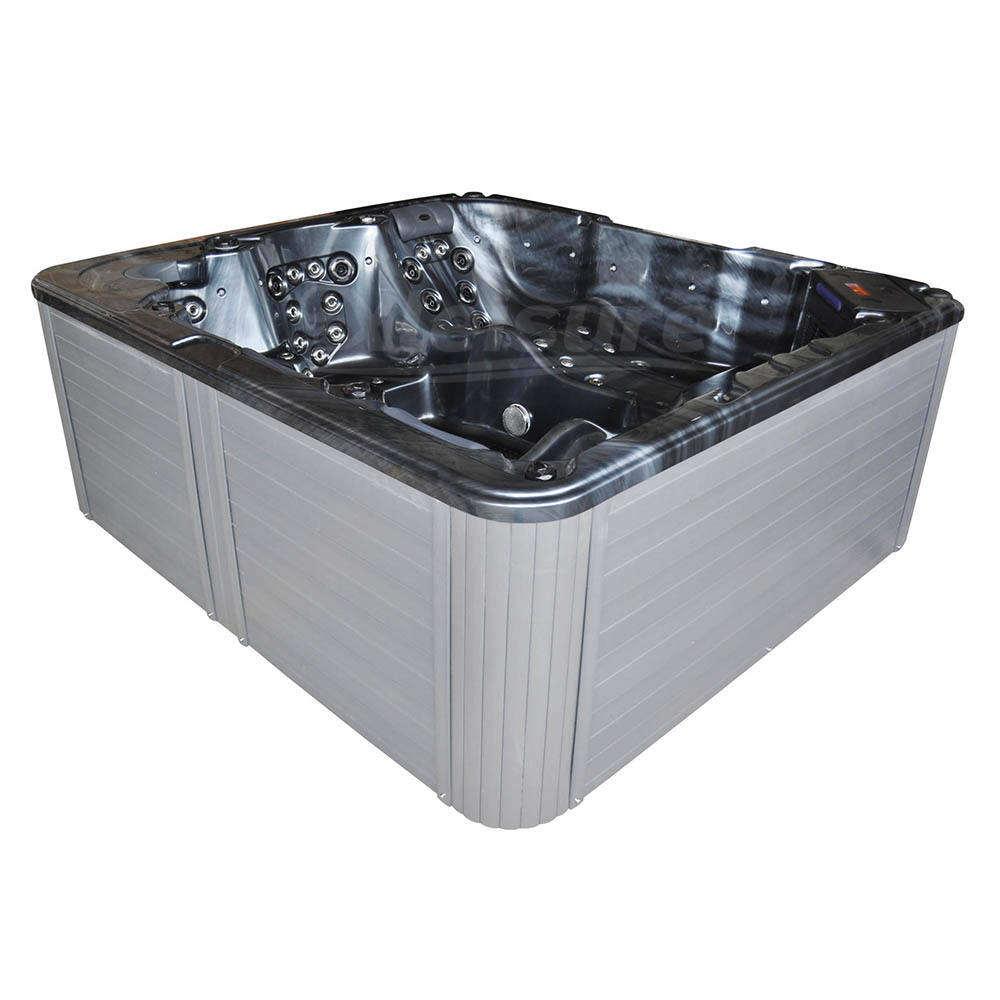
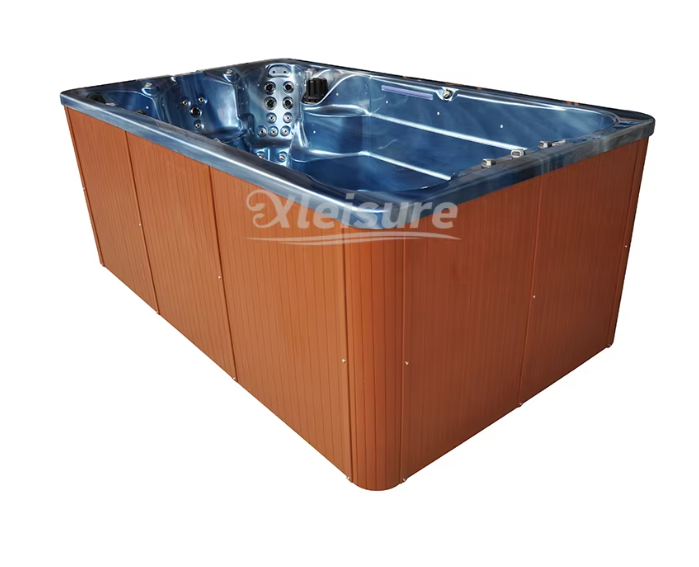
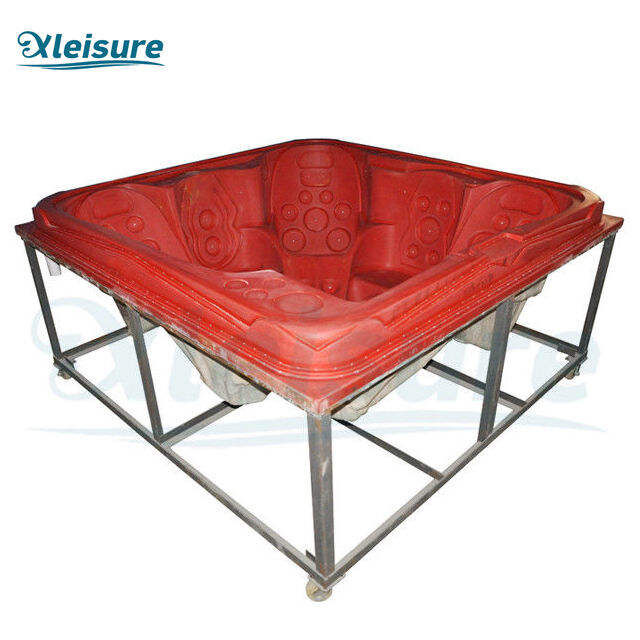
Spa hot tubs designed for energy efficiency can cut down on those daily running costs thanks to smart thermal design and electrical engineering improvements. Most older models will set homeowners back around $3 to $5 each day just to stay warm, but newer energy-saving versions keep things comfortable at about $1 a day according to FreeFlow Spas research from 2024. That means these modern tubs use roughly one third less electricity compared to their conventional counterparts. What makes this possible? Three main factors stand out. First, manufacturers now use full foam insulation throughout the system which stops heat escaping through pipes and other components. Second, advanced temperature controls prevent unnecessary heating when it's not needed. And finally, those thick insulated covers with high R-values do wonders for keeping warmth inside instead of letting it drift away into the surrounding air.
Hot tubs with dual pump systems separate the filtration process from the actual hydrotherapy experience. They run on small circulation pumps that keep the water moving around all the time, but save those big powerful jet pumps for when someone actually wants to enjoy them. Most models come with economy settings that lower the temperature when nobody's using the tub during nighttime hours. And there are also smartphone controls now that let owners schedule heating based on their electricity company's pricing schedule. According to Buenospa research from last year, these efficiency improvements can save between two hundred and five hundred dollars each year compared to regular spas. Even though they cost more upfront, most people find that their money gets paid back within about two to three years. That makes energy efficient hot tubs pretty smart investments if someone cares about saving cash in the long run while being good to the environment too.
Getting real energy savings starts with proper thermal containment first. When full foam insulation wraps around every bit of internal plumbing, jets, and mechanical parts inside, it gets rid of those annoying cold spots where heat escapes through conduction. Many companies also add special heat recovery systems such as FreeHeat technology that takes the wasted heat generated during pump operations and uses it to warm up incoming water before it even reaches the tank. Putting all these features together creates what's called a sealed thermal envelope. This includes well insulated cabinet walls plus high quality thermal covers on top. Together they cut down on standby heat losses by almost half compared to equipment with just partial foam insulation according to recent 2024 efficiency tests. Top manufacturers have adopted this complete package solution so their products maintain consistent water temperatures without needing extra energy inputs most of the time.
Smart components throughout the system really boost how well everything runs together. Take those modern circulation pumps for instance they maintain steady water flow while using around 70% less power compared to older versions from just a few years back. The built-in smart controllers work their magic too, running short filtration cycles maybe twice or thrice each day depending on conditions. This keeps the water clear without wasting hours on end spinning needlessly. And let's not forget about the LED lights either. These suck down less than 10 watts per unit, way better than those old fashioned bulbs that guzzled over 50 watts each. Put all these features together with economy mode settings and what do we get? Daily energy usage drops so dramatically it's roughly equivalent to what a regular home uses for one tiny LED bulb according to tests done last year by independent researchers.
The way people actually behave around their equipment makes all the difference in how well those systems perform. Putting on a good quality thermal blanket right after using something stops most of the heat from escaping through conduction and evaporation. Location is important as well. Units placed where they get some sun but are protected from wind tend to lose about 10 to 15 percent less heat than ones sitting in full exposure or shadowy spots according to recent research. Adjusting temperatures smartly matters too. Turning down thermostats between five and seven degrees Fahrenheit when nobody will be using the system for several hours can cut monthly energy bills by roughly twenty percent. Regular upkeep works wonders too. Just keeping filters clean every couple months and checking seals once a year keeps everything running smoothly and makes appliances last longer. All these small steps transform normal daily operations into real long term savings.
Spa hot tubs that save energy can really cut down on a home's carbon footprint. These models typically use around 20 to 50 percent less electricity compared to regular ones. What does this mean? Less burning of fossil fuels at power plants, which means fewer greenhouse gases going into the atmosphere. Think of it as taking a midsize car off the road for several months every single year. The construction quality matters too. These tubs are built to last longer because they use materials that resist corrosion and have better insulation. This means people don't need to replace them as often, so there's less waste from manufacturing new units. When these hot tubs draw less power during times when the electrical grid is under stress, they actually help reduce pressure on local power systems. It might seem small, but across many households, this adds up to something significant for both the grid and clean energy efforts. Overall, getting an energy efficient hot tub makes sense for those who care about their health, want to save money on bills, and are concerned about protecting the environment while still meeting climate targets worldwide.
Energy efficient spa hot tubs are cost-effective due to their reduced electricity consumption, saving approximately $2 to $4 daily compared to older models. Over time, these savings offset the initial cost, making them a smart financial choice.
Full foam insulation prevents heat loss by wrapping the tub's plumbing and jets, eliminating cold spots where heat escapes. This ensures that the spa retains heat more effectively, minimizing the need for additional energy input.
Yes, smart scheduling allows you to adjust heating times according to your electricity company's pricing schedule, using less power during peak hours and saving money on your energy bills.
Absolutely. These hot tubs consume less electricity, reducing fossil fuel burning and greenhouse gas emissions associated with energy production. This contributes to lowering your home's overall carbon footprint.
Regular maintenance, such as keeping filters clean and checking seals, along with using protective covers and wisely choosing the tub's location can extend its lifespan and ensure optimal performance.
 Hot News
2025-12-08
2025-12-07
2025-12-06

GUANGZHOU HONGXUANKAI provides professional import & export services for manufacturing and trading companies. Our customs clearance expertise and cross-border logistics ensure fast, compliant, cost-effective trade. Trusted by 100+ clients across Asia. Get a free consultation today.
WANGTING ROAD, HUADU DISTRICT, GUANGZHOU, CHINA
Copyright © GUANGZHOU HONGXUANKAI IMPORT & EXPORT CO., LIMITED | Privacy policy
 EN
EN